

Table of Contents
ToggleSwapping out or installing a single-pole light switch is one of those foundational electrical skills every homeowner should know. It’s straightforward, takes about 30 minutes, and doesn’t require exotic tools or a contractor. But it does require respect for electrical safety and a clear understanding of how the circuit works. This guide walks through the complete process, from identifying which wires go where to securing the cover plate, so anyone with basic DIY experience can wire a light switch confidently and correctly.
Key Takeaways
- A single light switch wiring diagram shows that the hot wire (black) connects to both brass terminals while the neutral wire bypasses the switch entirely, making it the most straightforward residential electrical task.
- Always test for voltage with a non-contact tester before touching any wires, regardless of breaker labels, to prevent life-threatening electrical hazards.
- Strip exactly 3/4 inch of insulation and form wire loops clockwise around screw terminals for secure, heat-resistant connections that prevent arcing and fire risk.
- Connect the ground wire to the green screw terminal on every modern single pole light switch to ensure critical safety compliance, even when replacing older ungrounded switches.
- Avoid backstab push-in connections in favor of screw terminals, which remain tight and reliable over time, preventing the loose connections that cause dangerous arcing.
- Never connect the white neutral wire to the switch terminals; keep neutrals bundled together with wire nuts in the electrical box to maintain proper circuit function.
Understanding Single-Pole Switch Basics
A single-pole switch controls one light (or set of lights) from a single location. It’s the most common residential switch type and has two brass-colored screw terminals, a ground screw (usually green), and two positions: on and off.
Unlike three-way switches, which control a light from two locations, single-pole switches have only one correct wiring configuration. The switch interrupts the hot wire (typically black or red) running between the power source and the light fixture. When the switch is flipped on, it completes the circuit: when off, it breaks it.
Most homes built after the 1960s use 14-gauge or 12-gauge NM cable (Romex) with a black hot wire, white neutral wire, and bare or green ground wire. Some older homes may have different color schemes or lack a ground wire altogether. If there’s no ground, installing a grounded switch isn’t code-compliant, consult a licensed electrician before proceeding.
The switch itself doesn’t care about neutral wires in standard configurations. The white neutral runs directly from the power source to the light fixture, bypassing the switch. That said, newer smart switches often require a neutral connection at the switch box, so double-check product requirements if upgrading.
Essential Tools and Materials for Wiring a Light Switch
Gather everything before cutting power. Hunting for a screwdriver mid-project is frustrating: doing it in the dark is worse.
Tools:
- Non-contact voltage tester (essential for confirming power is off)
- Wire stripper or utility knife
- Needle-nose pliers (for forming wire loops)
- Flathead and Phillips screwdrivers
- Flashlight or headlamp (the breaker will be off)
- Wire nuts (if connections need re-making)
Materials:
- Single-pole light switch (15-amp for general lighting, 20-amp for heavier loads)
- Electrical tape (optional, for added insulation on terminals)
- Cover plate (single-gang, matching finish)
Safety Gear:
- Safety glasses
- Insulated gloves (optional but smart)
A non-contact voltage tester is non-negotiable. Even if someone swears the breaker is off, test the wires yourself. Those testers cost under $15 and prevent life-threatening mistakes.
Safety Precautions Before You Begin
Electrical work isn’t inherently dangerous if done carefully, but cutting corners can kill. Follow these steps every single time.
Turn off power at the breaker panel. Flip the breaker labeled for the switch circuit to the OFF position. If your panel isn’t labeled (shame), flip breakers one by one and test the switch until the light stays off.
Test with a non-contact voltage tester. Remove the existing switch cover plate, unscrew the switch, and pull it gently from the box. Hold the tester near each wire terminal. If it beeps or lights up, the circuit is still live, go back and find the correct breaker.
Never assume wire colors are correct. Someone may have wired the circuit improperly. Always verify which wire is hot using a voltage tester with the power on, then turn the power back off before touching anything.
Work in daylight or with a headlamp. Don’t rely on the light you’re wiring. You need clear visibility of wire colors and terminal screws.
Check local codes. Most jurisdictions allow homeowners to perform minor electrical work like switch replacement without a permit, but rules vary. If you’re adding new circuits or opening walls, a permit and inspection may be required. The National Electrical Code (NEC) sets minimum standards, but local amendments can be stricter.
Step-by-Step Wiring Instructions
With power confirmed off and tools ready, it’s time to wire the switch. Take your time. Rushing this step causes shorts, sparks, and trouble.
Identifying and Connecting the Wires
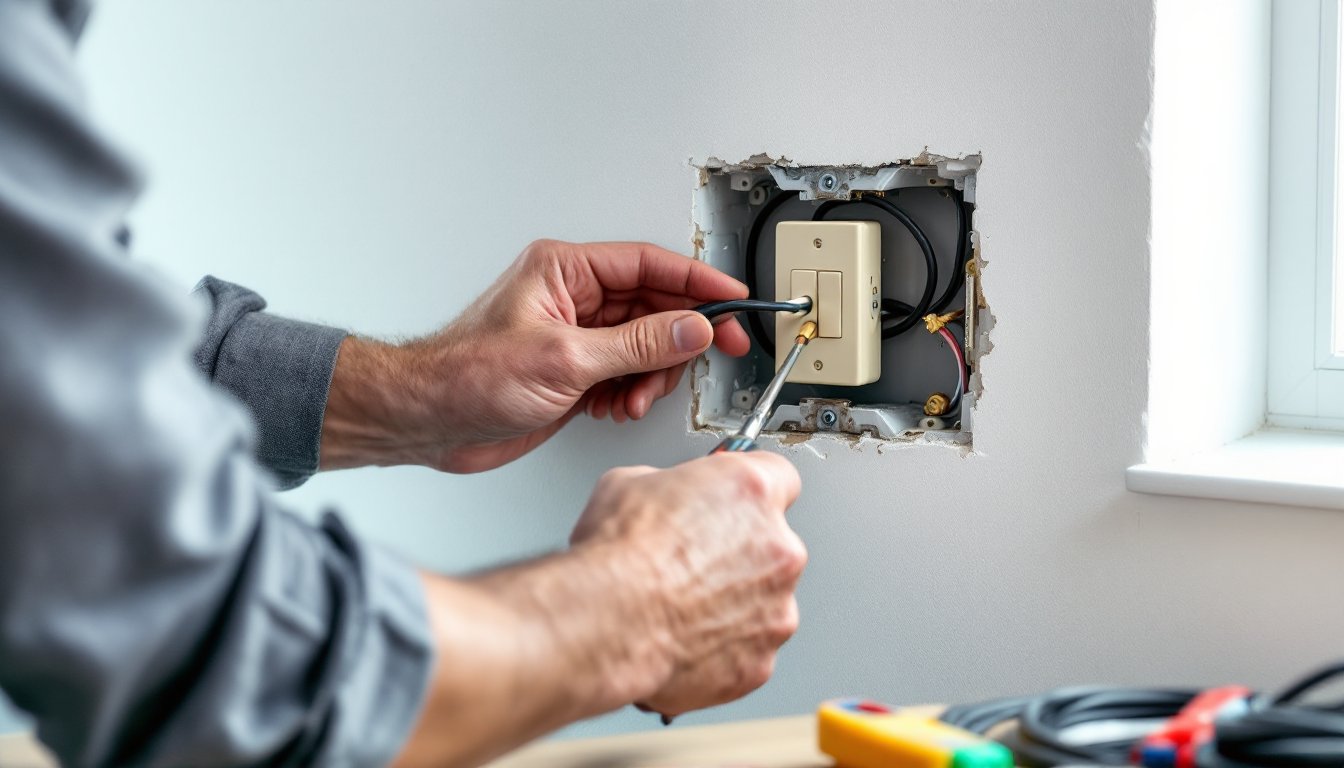
Pull the switch out of the electrical box carefully. You’ll see two or three wires attached: one or two black (or red) hot wires, and one bare copper or green ground wire. The white neutral wires, if present, are typically bundled together with a wire nut in the back of the box and don’t connect to the switch.
Identify the hot wire(s). In a standard 1 way light switch wiring diagram, one black wire brings power into the switch from the breaker, and another black wire carries power out to the light fixture. Both attach to the brass screw terminals on the switch. In some configurations, one wire may be marked with tape or a different color, this is the load wire going to the fixture.
If replacing an existing switch, note which wire goes where before disconnecting. Take a photo with your phone if needed. If installing fresh, consult a wiring guide from a trusted source to confirm your specific setup.
Prepare the wires. Strip about 3/4 inch of insulation from each wire end using a wire stripper. If the existing wire is nicked or corroded, trim it back and re-strip. Use needle-nose pliers to form a smooth hook at the end of each wire, curving it clockwise. This lets the wire wrap neatly around the screw terminal in the direction the screw tightens.
Attach the hot wires. Loop the first black wire clockwise around one brass terminal screw and tighten firmly with a screwdriver. Repeat with the second black wire on the other brass terminal. It doesn’t matter which black wire goes to which brass screw on a single-pole switch, the switch simply interrupts the circuit, so the two terminals are interchangeable.
Connect the ground wire. Attach the bare copper or green wire to the green ground screw on the switch. If your box has a metal grounding clip or pigtail, ensure continuity from the switch to the box and back to the panel ground.
Handle neutral wires correctly. If white wires are bundled with a wire nut in the box, leave them alone. They’re carrying the return path for current and shouldn’t touch the switch in a single pole light switch wiring diagram. If you’re installing a smart switch that requires a neutral, follow the manufacturer’s instructions to add a pigtail connection.
Double-check every connection. Tug gently on each wire, if it slides out, the screw isn’t tight enough. Loose connections create heat, arcing, and fire risk.
Securing the Switch and Cover Plate
Once wiring is complete, carefully fold the wires back into the electrical box. Avoid pinching or kinking them. Position the switch so it’s plumb (vertical), then secure it to the box with the mounting screws at top and bottom. Tighten evenly, overtightening can crack the switch body or strip the box threads.
Install the cover plate. Align the plate over the switch and fasten with the center screw. Don’t reef on it: cover plates crack easily, especially plastic ones.
Restore power and test. Go back to the breaker panel and flip the circuit breaker to ON. Return to the switch and toggle it. The light should turn on and off smoothly. If the breaker trips immediately, there’s a short, turn off the breaker, pull the switch, and inspect for crossed wires or bare copper touching the box. If the light doesn’t come on but the breaker stays on, verify the bulb isn’t burned out and recheck connections at both the switch and fixture.
Many DIYers find these steps manageable, and resources like Family Handyman and This Old House offer additional visual tutorials and troubleshooting tips for common scenarios.
Common Wiring Mistakes to Avoid
Even simple projects invite errors. Here are the pitfalls that trip up most first-timers.
Forgetting to test for voltage. Never trust a breaker label or someone else’s word. Always verify with a tester.
Connecting the switch to the neutral instead of the hot. If the white wire is attached to a brass terminal, the circuit won’t work properly and may create a shock hazard. Neutrals belong bundled together, not on the switch.
Reversing line and load in a smart switch. Traditional single-pole switches don’t care which terminal gets which hot wire, but smart switches often do. Read the instructions.
Using backstab connections instead of screw terminals. Many switches have push-in holes on the back for quick connections. These can loosen over time and cause arcing. Screw terminals are far more reliable.
Stripping too much or too little insulation. Too much exposes bare wire that can short against the box. Too little prevents a solid connection. Aim for 3/4 inch.
Ignoring box fill limits. The NEC limits how many wires and devices can fit in a box based on volume. Cramming too much in can damage insulation and create heat. If your box is packed tight, consider a deeper box or a remodel box with more capacity.
Skipping the ground connection. Even if the old switch wasn’t grounded, the new one should be if a ground wire is available. It’s a critical safety feature.
Not marking wires during removal. If you pull an old switch and can’t remember which wire went where, you’re guessing, and guessing with electricity is bad policy. Label with tape or take a photo.
Overtightening terminal screws. This can strip threads, crack the switch, or sever the wire. Snug is enough.
A single pole single light switch wiring diagram is simple in concept, but sloppy execution turns a 30-minute task into a service call. Measure twice, tighten once, and test everything before closing up the wall.